Good quoting software does more than generate a PDF. It keeps pricing accurate, speeds up your sales cycle, and gives you a clear view of which deals are moving and which are stalling. HubSpot is one of the most recognized names in the CRM space, and its built-in quoting tool is worth a close look — especially if you're already running HubSpot for your pipeline. Here's an honest breakdown of what it offers and where it has limits.
Overview of HubSpot
HubSpot is a cloud-based marketing and sales platform built to help companies attract leads, manage contacts, and close deals. The platform covers CRM, website content management, email marketing, social media, and more — all under one roof.
HubSpot offers a free tier and several paid tiers. The free version includes basic CRM, contact management, email tools, live chat, and quoting features. Paid plans add social media tools, advanced analytics, and priority support. Pricing has shifted over the years; check HubSpot's current pricing page for 2026 rates, as plan structures have changed since earlier reviews.
What Is HubSpot Quoting Software?
HubSpot's quoting tool lets sales reps generate quotes directly inside the CRM, without switching to a separate application. You pull from your product library, set pricing, and send a quote that links back to the deal record automatically.
Key capabilities include:
- Quote creation from deal records — quotes are attached to CRM contacts and companies from the start
- Status tracking — see whether a prospect has opened, viewed, or signed a quote
- Pipeline visibility — quotes feed directly into your HubSpot deal stages
- E-signature support — available on higher-tier plans
- Payment collection — Stripe integration on select plans
For teams already living in HubSpot, the tight integration is the main draw. You're not re-entering data; the quote inherits everything already in the deal.
Where HubSpot Quoting Helps Professional Services Teams
Promotes Pricing Transparency
Automating the quotation process makes it easier for customers to compare what they're being offered against their expectations. When pricing is pulled from a structured product library rather than typed manually each time, there's less room for inconsistency — and customers can see a clear breakdown of what they're paying for. According to research on transparency in business, opacity in pricing is one of the fastest ways to lose customer trust.
Faster Quote Creation
Manual quoting — copying line items into a spreadsheet, formatting a Word doc, emailing a PDF — can eat 30–45 minutes per quote. HubSpot's template-based approach cuts that significantly. For teams sending dozens of quotes a week, that time compounds fast. Faster quotes also mean faster responses to prospects, which matters when buyers are comparing multiple vendors simultaneously.
Access from Anywhere
Because HubSpot is cloud-based, reps can build and send quotes from any device. For field sales teams or anyone working across time zones, this removes the friction of needing to be at a specific desk or machine. Customer communications — calls, emails, notes — are logged in the same place, so context is always available when a follow-up is needed.
Centralized Information
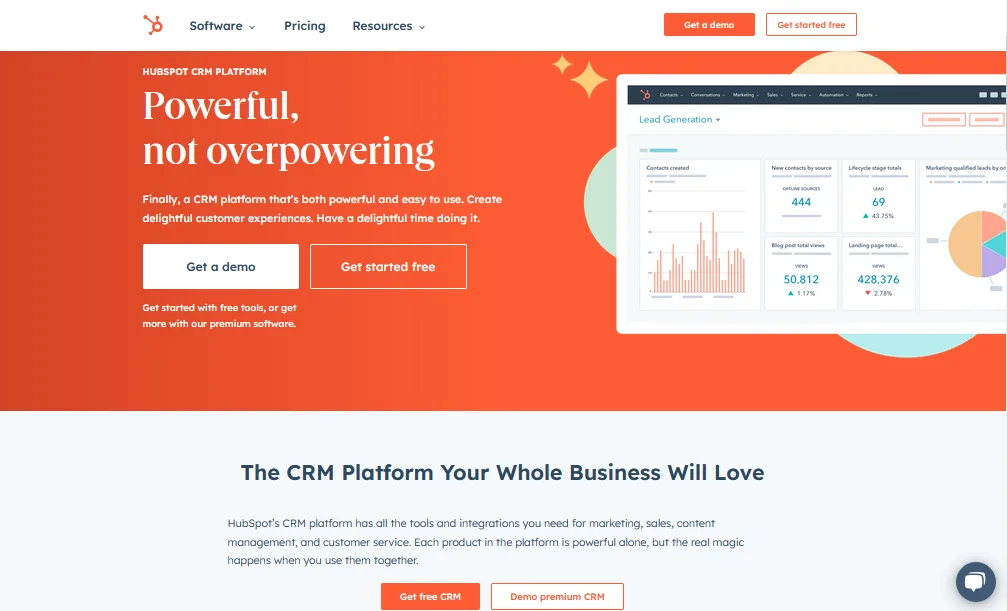
One of the recurring problems in small and mid-sized sales teams is data scattered across tools: pricing in a spreadsheet, contact history in email, invoices in accounting software. HubSpot consolidates quote history, customer records, and deal notes in one place. You can see what a customer bought previously, what discounts they received, and where things stand on current open quotes — without hunting through multiple systems.
Reduces Customer Churn
A slow or inaccurate quote is a real reason prospects go elsewhere. When it takes days to get a number to someone who's ready to buy, you lose deals to competitors who respond faster. HubSpot's quoting tool shortens that window. Customers get what they need quickly, and the business keeps the relationship moving forward rather than stalling at the pricing stage.
Fewer Human Errors
Manual quoting introduces error: wrong unit prices, outdated discount rates, miscalculated totals. The Small Business Administration has noted that operational errors — including pricing mistakes — are a meaningful contributor to small business revenue loss. Pulling pricing from a structured product library, rather than typing numbers from memory, removes a significant source of those mistakes.
Productivity Gains
Less time on manual data entry means more time on selling. For small teams where one person might be handling quoting, follow-up, and account management simultaneously, removing friction from the quoting step has a real impact on how many deals they can work in parallel.
Where HubSpot Quoting Has Limits
HubSpot's quoting tool is well-suited for teams with relatively straightforward pricing structures and moderate quote volumes. It starts to show strain in a few scenarios:
- High quote volume — if you're sending hundreds of quotes per month, the workflow can become cumbersome without more specialized tooling
- Complex pricing logic — tiered pricing, configurable products, or multi-variable estimates often require workarounds
- Quote-heavy businesses — HubSpot is designed as a broad CRM first; quoting is one feature among many, not the core product
- Cost — advanced quoting features (e-signatures, payment collection) are locked behind higher-tier plans
For businesses where quoting is the central sales motion — not a side feature — a dedicated quoting tool often handles volume and complexity more cleanly.
Final Assessment
HubSpot's quoting software is a solid option if you're already using HubSpot as your CRM and need a basic-to-intermediate quoting layer without adding another tool to your stack. The CRM integration is genuine, setup is straightforward, and it removes a lot of manual effort for teams sending a manageable number of quotes.
If quoting is the core of your sales process — if your team sends a high volume of estimates, needs detailed line-item control, or wants built-in follow-up automation tied specifically to quote status — a purpose-built platform will serve you better. Osmos is built specifically for B2B teams that live and die by their quote volume: it turns quote requests into polished, trackable quotes fast, and keeps the follow-up process moving automatically so deals don't stall after the quote goes out.