TL, DR
The main concern associated with automation is that it will cause unemployment at a large scale, thereby leaving huge population groups unemployed. This concern was not valid, as we have seen a drastic fall in the human labor force in recent years.
Janitors, factory workers, assembly line workers, and any other type of job that has repetitive tasks and is easy to program are likely to be automated shortly. Moreover, employments that require more skills, such as legal research, diagnosis of medical disorders, and issues related to finances, are also being overtaken by AI systems.
However, technological developments also play a great role in helping the economy gain more jobs over time, creating a positive influence. With organizations moving towards complex systems, there is an increasing need for people with expertise to develop and employ such systems.
For example, professions such as artificial intelligence engineers, robotics experts, and data scientists are among the most promising careers of the present day. The employee can be relevant in the job market by learning new and relearning new skills.
The real question is how secure one's job is, whether benefits will be offered, and whether the employee can develop their career over time. Hence we can not blame AI for taking away jobs from people as there are many other reasons like no more need for a particular job or modern ways being available for a task and much more. What we can look for is the bright side of automation and try to work as a team with it.
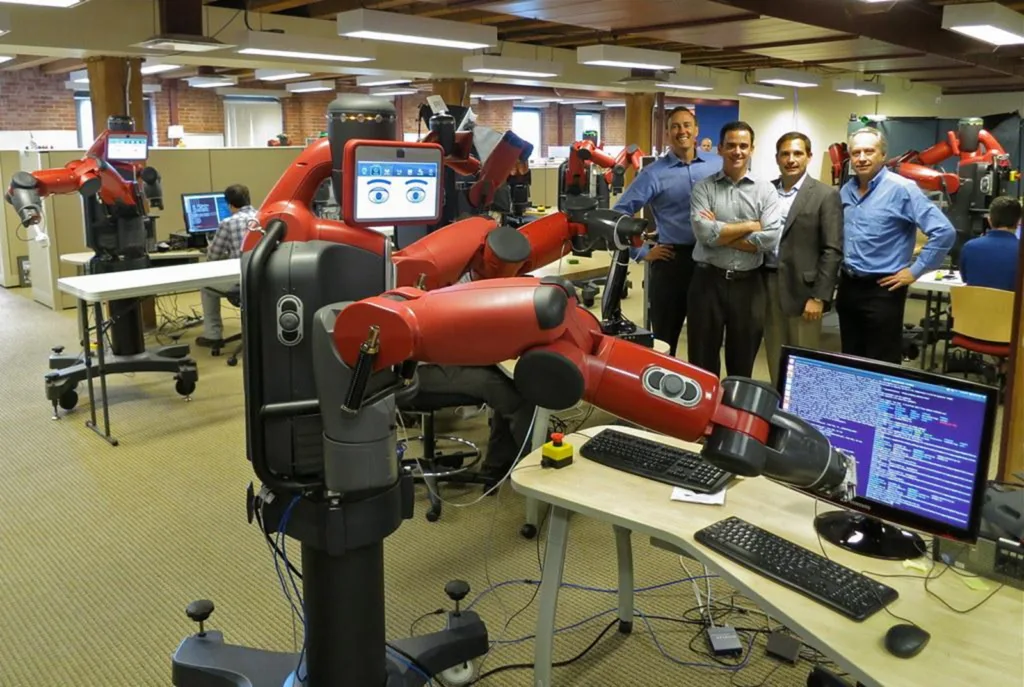
Automation will no longer be considered something out of this world in the future as the technology is currently an active part of changing industries worldwide. The advancement in AI, robotics, and machine learning has brought positive and negative stakes.
As businesses increasingly try to integrate automated systems into their operations, a big question arises whether the automation processes supplant human jobs or develop new openings first.
What is the Link between Automation and Job Displacement?
With every technological advancement, it has been noticed that each new technology has brought major changes to the labor market. During the Industrial Revolution, every single agricultural and manufacturing job became mechanized and gradually machines and robotics took over most industrial practices.
The same cycle repeated when computers entered the scene in the middle of the twentieth century. However, the labor force did not welcome these advancements as many concerns lined up. The first obvious concern was that it would cause the shedding of jobs at a large scale leaving huge population groups unemployed. This threat was not baseless, as we have seen a drastic fall in the human labor force in recent years.
A study done by McKinsey & Company in 2017 predicted that about 800 million workers around the world could lose their jobs to robots by 2030, with positions in manufacturing, retail, transportation, and delivery in the firing line. However, this is becoming truer every day as repetitive or mundane activities are being automated at all levels.
Employees with such jobs, such as factory assembly line workers, data entry operators, or cashiers, might one day find their jobs automated and given to machines, which will perform them faster and cheaper.
Sectors Most Likely to be Affected by Automation
Any type of job that has repetitive tasks and is easy to program are likely to be automated in the near future. In the production and manufacturing industries, for example, robot assembly line operations have been automating tasks such as welding, painting, and packaging, amongst other operations that are done more efficiently and accurately by robots than human beings.
Despite the fact that employees are needed for many jobs, self-checkout kiosks and AI-based customer support applications are becoming widespread nowadays, resulting in fewer worker requirements.
In 2013, Oxford University researchers divided workers by how likely their jobs were to be automated. Some examples of occupations placed into the high-risk category include telemarketers, loan officers, and insurance underwriters, while the jobs in the low-risk category include teachers, therapists, and artists.
Furthermore, occupations that require higher skills, such as legal research, diagnosis of medical disorders, and issues related to finances, are also being conquered by AI systems that have operational advantages over human beings.
Opportunities for Employment through Artificial Intelligence and Robotics
On one hand, automation technology has threatened to eliminate certain positions. Still, on the other hand, it has been preparing for new positions, such as artificial intelligence and data science positions and robotics engineers.
Technological developments also play a great role in helping the economy gain more jobs over time, creating a positive influence. For instance, the Internet pioneered new industries, including e-commerce, social media management, application development, and cyber security.
If we talk about the WEF's 2020 "Future of Jobs" report, the changes that will occur by 2025 include that while automation will displace 85 million jobs, new job opportunities will also arise to reach an estimated 97 million, making the development of industries such as artificial intelligence, green energy, healthcare technology, and data analysis.
With organizations moving towards complex systems, there is an increasing need for people with expertise to develop and employ such systems. For example, professions such as artificial intelligence engineers, robotics experts, and data scientists are among the most promising careers of the present day.
However, as other tasks are taken care of by automated methods, the working personnel can be deployed to more complex or involving tasks. Industries have been hit by this transition the most, such as manufacturing and customer service, where automation allows human workers to optimize ways to enhance customer relations and give their best in innovations and ways to enhance or perfect a certain process.
Virtual Teams and Telecommuting: Adaptations of the Work Environment
One of the trends in the future of work is the embedded workforce, where workers work hand in hand with artificial intelligence to obtain the best results. That is why in such an environment, more strict and boring routine procedures are managed by automation, while people are used where emotions, decision-making, and interpersonal communications are important.
In the healthcare industry, automation is helping doctors and nurses analyze medical records, make recommendations on diagnosis, and even compound surgery operations with the help of robotics. However, humans must analyze complexities, show compassion, and verbally interface with patients. The same can be said for finance or marketing since AI can produce figures and analytics while people make decisions.
Upskilling and Reskilling: Offering a critical imperative
The implications of automation in the workforce are inevitable if the way work is delivered has to alter the way described above. The employee can be relevant in the job market by learning new skills and relearning new skills. This is an area that governments, businesses, and even educational institutions are slowly beginning to realize, and they are putting in place training programs that aim to put the workers through these complex skills needed for the new economy.
This means that big companies like Amazon and Google have already worked on employee development programs. For instance, Amazon recently dedicated $700 million to training programs for its employees to offer them enhanced skills and enable them to shift to knowledgeable professions such as software developers and data analysts, among others, due to the continued enhancement of automation in Amazon logistics and operations.
Governments are also coming in to help facilitate this transition. For example, the country of Singapore has recently announced the introduction of a program called SkillsFuture, where people can get government grants as well as useful means to study new professions that may be in demand if the country adopts automation technologies. Such initiatives are important to avoid the consequences of automation implying large-scale unemployment.
The Gig Economy: The New Form of Employment?
Automation also influences new forms of work, such as freelancers and independent contractors. Service providers such as Uber, TaskRabbit, and Fiverr have made it possible for people to work part-time and on a project basis. Nevertheless, these platforms are based on automatization and employ algorithms; they have tried to open new opportunities for people to gain income, excluding conventional employment in different positions.
While many professionals in the United States have transitioned from 9-to-5 jobs to working freelance in the current gig economy, the question has arisen about how secure one's job is, whether benefits will be offered, and whether the employee can develop their career over time.
As non-supervisor jobs are more automated, the issue for policymakers and employers will be providing gig economy workers with customary benefits for traditional employees, including health insurance, pension, etc.