TL, DR
Influencer marketing is a compelling technique that uses social media influencer profiles to connect with various audiences for their products and services. For its efficiency, brands should respect authenticity by partnering with influencers naturally associated with these values.
The micro-influencers trend has proved that targeted and more engaged audiences can yield a greater return on investment.
Rather than working in contracts, partnerships, and collaborations with a short time frame, companies get better results from long-term associations as people are more likely to remember the name associated with the product. Furthermore, brands should leverage more user-generated content to increase trust and coverage.
Online campaigns should precisely fit the strategies of the particular platforms, be it Instagram, TikTok, or YouTube. Expressing brands' messages on newly adopted platforms such as TikTok and BeReal requires flexibility.
Only the best content should be allowed the freedom of creativity to stand out to the target audience and influencers. Applying quantifiable markers guarantees campaigning effectiveness with the help of actual values that define the target indicator, be it engagement or conversion.
Transparency and disclosure are essential to believing, while non-disclosure causes a loss of credibility.
Lastly, brands must work with multiple influencers, which is crucial to inclusiveness and representation. Thus, maintaining the truthfulness of influencer marketing and adapting to new changes is vital for brands to get the highest return in the field and be competitive in the new digital world.
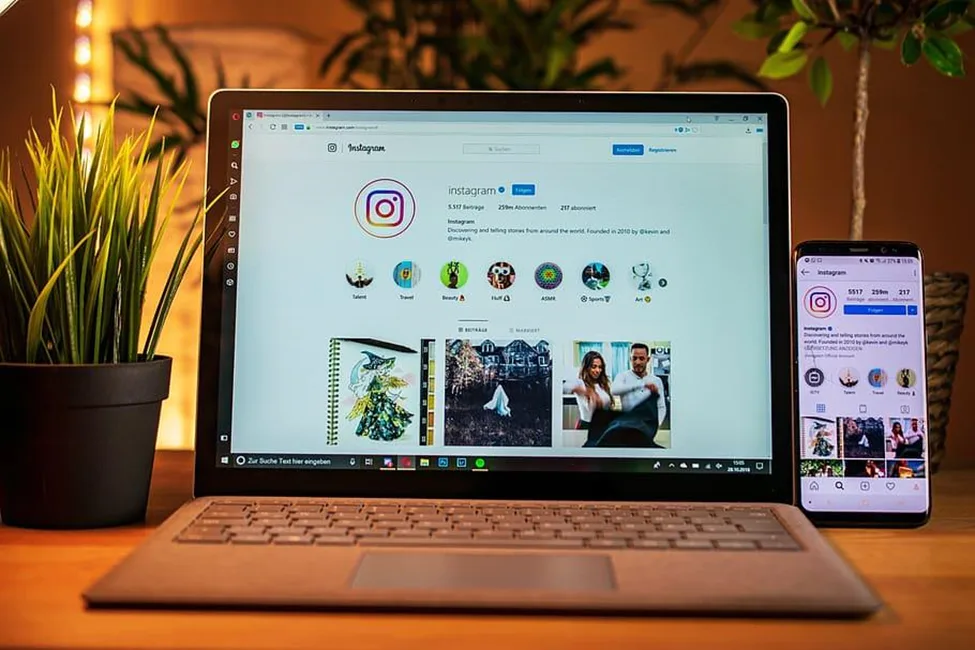
Influencer marketing involves hiring social media personalities with enthusiasts, dedicated followers, and interested patrons. It works because people believe in the recommendations of influencers they follow more than other ads.
Influencers are social media celebrities with vast audiences who can add value, share content, and communicate in a manner their followers can easily connect with.
A study on the growth rate of influencer marketing shows that the market will be worth more than $22 billion by the end of 2024. Consumers have grown tired of falsehoods and fake stories in recent years, and influencer marketing is a perfect fit.
This article describes the ten tips and trends as guidance for employing influencer marketing effectively.
Preliminary, in this space, it is crucial for brands to stay smart and up-to-date with developments. Here are ten essential tips and trends to help you harness the power of influencer marketing:
1. Prioritize Authenticity
The primary strategies that must continue to dictate the influencer marketing industry are identified as follows:
- Avoid pushing fake reviews, as viewers can easily recognize fake news and degrade the campaign's impact when they do.
- Work with influencers who have something to do with your products and share your brand values. Not only does it build trust, but it also makes the content appear natural and unrehearsed, as opposed to the time when there seems to have been excessive practice.
- Let influencers develop unique content in their mannerisms because this is what their audiences prefer.
2. The Hype of Micro-influencers
While only the top proficient influencers receive much attention, the mid- and small-efficient influencers are gaining much value. Micro-influencers are gleaned to have a small number of followers, but unlike macro-influencers, they are more active in engaging with them.
It also shows that their recommendations will appear more realistic when consulting with the SAYS platform. Hence, engaging with micro-influencers is more beneficial than partnering with celebrity endorsers to create a strong brand–audience connection and better ROI.
3. Engage in Long-term Partnerships
Brands are no longer just organizing one-time campaigns but opting to nurture a relationship with influencers. Leverage and constant association enhance brand identification since followers tend to relate to the influencer with the actual brand.
This makes a more natural and plausible promotional message possible over time—such effective and uninterrupted long-term cooperation results in higher engagement and brand awareness.
4. Leverage Social Media Marketing & Public relations
Influencer marketing involves more than choosing influencers and posting about your brand. It also boosts user-generated content, making the process even more credible.
When influencers invite followers to participate in content generation, the audience grows even more, and there is the assurance of actual influence.
The strategy here is to reuse UGC across all marketing touch points so that it can be repurposed in other marketing platforms, such as emails and the brand website.
5. Emphasis on Specific Platform Strategies
Influencer marketing can be distinct on various platforms and social networks, so a brand needs to adjust its influencer marketing strategy to match the platform it is interested in.
For example, Instagram is perfect for graphics, short sharing snippets, and practically for disseminating any kind of visual material as bite-sized content. In contrast, TikTok is ideal for young audiences and creative short videos that keep the audience hooked
YouTube is great for in-depth content that takes the necessary amount of time to describe products. You should understand your target audience's behavior on different platforms and collaborate with influencers who own those niches.
6. Expand into New Platforms
TikTok has now become a social network and remains an excellent platform for influencer marketing to brands targeting Gen Z and millennials. TikTok is highly popular due to its short, easily memorable, and frequently shareable content format.
Other newer platforms receiving significant engagement include BeReal, which works on raw content. It is practical to be vigilant about the new platforms being developed and ensure that when the opportunity arises, you are willing to change strategies to fit into them.
7. Invest in Quality Content
Brands must remember that influencers are more complex salespeople; they create content. News and content nowadays have to have great visuals, videos, and storytelling, as we are flooded with content on social media.
Brands should not leverage influencer partnerships to generate content only but as a chance to create content that significantly affects the targeted audience and grabs their attention.
In this regard, a brand can provide some rules for how the product should be promoted but does not over-control and make it look like every influencer who used the product created the same promotion.
8. Data and Analysis Deliver Better Results
It is essential to know how successful influencer marketing campaigns are. Different means of measuring engagement and effectiveness exist, such as tracking engagement rates, conversion rates, and audience reach.
Modern analytical tools allow for estimating which influencers are more effective in stimulating outcomes and making the necessary changes to the strategy. An efficient tip is not to focus on superficial stats like likes and comments; instead, consider metrics such as CTR and sales.
9. Transparency and Disclosure Are Inalienable
Influencers profit from sponsored content by publicizing that a particular post is sponsored in many regions. Honesty is essential to gaining the trust of people who follow branded individuals.
Failure to disclose partnerships and collaborations can have legal consequences and erosion of trust between the influencer and the firm. Ensure the influencers use appropriate hashtags in their posts and that their followers clearly understand the sponsored content.
10. Don't Put All Your Eggs in One Basket
Finally, using a range of influencers will allow you to address more different audiences. Work with micro, macro, and celebrity influencers from various fields to reach multiple segments of consumers. Other people's opinions can help you improve your product and make it relatable for everyone.
When done right, influencer marketing is the best way to revolutionize a brand in terms of impact and effect. Nevertheless, it warrants a planning and systematic approach and should be genuine, inventive, and flexible.
You'll get to keep a cutting-edge approach as you reflect and adapt these ten practical tips and trends to your current and future influencer marketing strategies.
Overall, the prospects for influencer marketing are excellent, especially for those who adapt to the new ways that customers are changing, with a significant focus on the emotional bond.
As always, learn your audience and be prepared for change: remain as fluid as possible while never shying away from new ideas to keep your brand relevant and influential within this ever-evolving digital landscape.