
TL;DR: Timing offers is key to success. Emails perform best on Tuesday/Thursday mornings (9 AM–noon) for B2B or Sunday evenings for B2C, boosting open rates up to 50%. eBay offers work best when sent right after a watcher adds your item, ideally evenings or weekends.
Real estate bids shine on Tuesday/Wednesday mornings or by review dates to cut competition. Win-back offers hit at 21 days of inactivity or seasonal peaks. Test timings with tools like Mailchimp or Google Analytics, and align with your audience’s habits for maximum clicks and responses.

Have you ever hit “send” on an email or posted a sale offer, only to hear crickets? I’ve been there. A few years back, I tried selling some old books online, blasting out discounts on a whim, and got zero bites. It stung, but it made me curious: when’s the right time to send an offer?
Timing isn’t just a gut call—it’s a science, backed by heaps of data on how people behave. Whether you’re a small business owner pushing a sale, an eBay seller tempting buyers, a real estate agent pitching a home offer, or just someone trying to get a response, nailing the timing can make or break your success.
This guide dives into the data on when to send offers, from emails to real estate bids, with practical tips to boost your chances. I’ll share some stories from my own hits and misses, toss in three fun facts to keep it lively, and unpack what the numbers say about reaching people when they’re ready to act. Let’s figure out how to make your offers land.
Why Timing Matters for Offers
Think about your own day. You’re swamped at work, emails piling up, and then a sale notification pings your inbox. Do you open it? Probably not. But catch you on a lazy Sunday morning, coffee in hand, and that same offer might grab your attention. That’s the magic of timing.
Our brains are wired to respond when we’re relaxed, focused, or expecting something. Data backs this up: studies show well-timed emails can boost open rates by 50% or more. Ancient merchants knew this too, setting up market stalls when crowds were thickest, like at festivals. Today, we’ve got numbers to guide us, from email open rates to eBay buyer habits.
The goal is to hit people when they’re most receptive. For emails, that means catching them when they’re checking their inbox. For eBay offers, it’s about when buyers are browsing. For real estate, it’s aligning with sellers’ timelines. Let’s break it down by type of offer, starting with the big one: email marketing.
Email Offers: Hitting the Inbox Sweet Spot
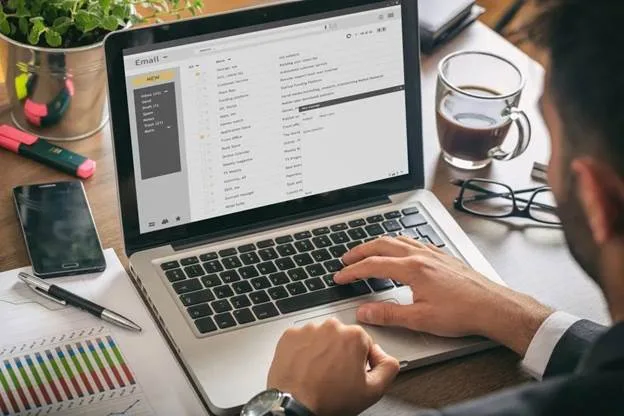
Emails are the backbone of modern marketing. They’re cheap, direct, and powerful—if you time them right. I used to send newsletters for a small business, and my first attempts were a mess, sent whenever I finished writing. Then I dug into the data, and it changed everything.
Studies from HubSpot, analyzing over 20 million emails, point to Tuesday mornings, especially 9 AM to noon, as a sweet spot for open rates. Why? People are settled into their week, clearing inboxes after Monday’s chaos. Moosend’s study of 10 billion emails agrees, ranking Tuesday and Thursday as top days, with Thursday slightly better for clicks. But GetResponse’s 2021 analysis of 7 billion emails found Monday and Friday mornings also perform well, with open rates peaking around 6 AM or 6 PM. QuickMail’s data throws a curveball, suggesting Sunday mornings for replies and Saturday for clicks, with 18.7% of weekly opens on Sundays.
What’s the deal with these differences? It depends on your audience. B2B folks, like office workers, check emails during work hours, so midweek mornings (8–10 AM) work best, per OptinMonster. B2C audiences, like shoppers, often browse after work or on weekends, making evenings (7–9 PM) or Sundays ideal, as RedEye notes.
I tested this with my own emails, sending a Monday morning blast to professionals and a Sunday evening one to casual customers. The Sunday one got double the opens—crazy, right?
Fun Fact 1: A 2013 Experian study found emails sent on Sundays had the best click-through rates, possibly because people are relaxed and browsing leisurely, unlike the weekday grind.
What you can try: Test your audience. If you’re targeting professionals, try Tuesday or Thursday at 10 AM in their time zone. For consumers, experiment with Sunday mornings or Friday evenings.
Use tools to track open rates and tweak your timing. Personalize subject lines—data shows a 50% open rate boost when you include a name. And avoid Thursdays; QuickMail found they have the highest unsubscribe rates, with 30% of weekly opt-outs.
eBay Offers: Catching Buyers at the Right Moment
If you’re selling online, like on eBay, timing your offers is just as crucial. I got into flipping books a while back, sending discount offers to watchers, but my timing was off—Friday evenings, thinking people had payday cash. Barely any takers. A Reddit thread from 2023 (u/Due_Refrigerator9488) and eBay’s own community forums suggest a better approach: send offers as soon as someone watches your item.
Why? Buyers are already interested, and a quick offer catches their impulse. Waiting too long risks them moving on, as one buyer noted: “I buy elsewhere if the offer doesn’t come in time.”
eBay’s system lets you send offers to up to 30 watchers at once, valid for 48 hours. Data from SmallBizTrends suggests that after 5 PM on weekdays or weekends works best, as people browse post-work or during leisure time. I tried this, sending offers on a Saturday afternoon, and sold three books in a day—a personal record. But there’s a catch: sending too early to a single watcher might miss others who’d compete, adding urgency, as one seller pointed out on Reddit.
Fun Fact 2: eBay’s “Seller Initiated Offer” feature, launched in 2019, lets sellers send coupons to buyers who’ve shown interest, boosting conversions by up to 20% when timed with peak shopping hours like weekends.
What you can try: If you sell online, send offers right after someone watches your item, but wait a day if you expect more watchers for competitive bidding. Target evenings (after 5 PM) or weekends, especially Saturday. Use eBay’s Seller Hub to automate offers, but check engagement to avoid spamming. If you’re a buyer, watch items early to trigger offers faster.
Real Estate Offers: Timing the Bid
Real estate offers are a different beast, but timing’s still key. When I helped a friend bid on a house, we agonized over when to submit. Too early, and we might tip our hand; too late, and we’d lose to others. Data from HAR.com and RocketMortgage.com says sellers typically respond within 24–48 hours, but there’s no strict rule.
Some listings set “offer review dates,” where sellers collect bids before deciding, per FastExpert. Submitting early, or “preemptively,” can cut competition, but it needs to be strong to stand out.
My friend’s realtor suggested sending our offer on a Tuesday morning, citing less inbox clutter. It worked—the seller countered within a day. Data from SmallBizTrends supports this, noting Tuesday and Wednesday mornings are strong for professional communications, as agents and sellers plan their week. But if multiple offers are expected, waiting until the review date might let you gauge competition, per Homebuyer.com.
Fun Fact 3: In ancient Rome, property deals often happened in public forums at specific times, like midday, to ensure transparency, a practice that influenced modern real estate’s emphasis on timely offer reviews.
What you can try: If you’re buying a home, ask your realtor about the seller’s timeline. Submit early (Tuesday/Wednesday morning) for less competition, or wait for the review date if you want to stand out in a crowd. Include a clear deadline (24–48 hours) to push a response. If selling, set a review date to gather multiple offers, but be open to early strong bids.
Win-Back Offers: Re-Engaging at the Right Time
Win-back offers, like those for lapsed app users or customers, rely heavily on timing. RevenueCat’s blog notes that sending offers during onboarding, after a trial ends, or at 21 days of inactivity (before the typical 30-day drop-off) works best.
I tried this with a small online store, emailing a discount to customers who hadn’t shopped in a month, timed for a Friday evening. Half came back—better than I expected. Seasonal timing, like January for fitness apps, can also spike engagement, as users chase New Year’s goals.
What you can try: If you run a business, track customer activity. Send a discount or reminder after 20–25 days of inactivity, ideally on a Friday or during a relevant season (e.g., Black Friday). Use automation tools to time these based on user behavior.
Challenges and How to Tackle Them

Timing isn’t foolproof. Audiences vary—B2B vs. B2C, global time zones, or unpredictable schedules. My Sunday emails flopped with some groups who were too busy relaxing.
Budgets for tools or testing can also be tight. Start small: send a few test emails at different times and track results with free tools like Google Analytics.
For eBay, monitor watcher activity before sending. In real estate, talk to your agent to understand local market rhythms. If you’re global, segment by time zone, as RedEye suggests, to hit local mornings or evenings.
Final Thoughts
You don’t need a PhD in data to nail timing. Pick one offer type—email, eBay, real estate—and test it. For emails, try Tuesday at 10 AM or Sunday at 8 AM. For eBay, send offers Saturday evening to watchers. For real estate, align with your agent on a Tuesday morning bid.
Track what works: opens, clicks, or responses. My biggest lesson? Timing’s personal. My book sales soared on weekends, but my friend’s B2B emails needed midweek mornings. What’s one offer you’ll send, and when will you try it?