
Most small businesses looking to improve sales performance go straight to the CRM. They spend weeks evaluating options, pay for a subscription, and then wonder why the numbers haven't moved. The problem usually isn't the CRM. It's what happens before the CRM even matters: the quote.
If your reps are spending 20 to 30 minutes manually building each quote in Excel or your accounting software, that's where the margin is leaking. Fix the quoting step first, and a lot of the other problems start to sort themselves out.
The Real Cost of Manual Quoting
Let's talk about what manual quoting actually costs, because most business owners treat it as just "how things work" rather than a line item worth examining.
At 20 minutes per quote, a business sending 100 quotes a month is burning through more than 33 hours of rep time on quote-building alone. That's nearly a full work week, every single month, spent formatting spreadsheets instead of talking to customers.
And that's just the time cost. There's also the error cost. Spreadsheets with stale price lists, reps applying discounts that haven't been approved, line items copied wrong from a previous quote. These aren't rare edge cases. They happen constantly in manual workflows, and each one is a small hit to your gross margin.
Then there's the follow-up cost. Most reps follow up once after sending a quote, if at all. The prospect doesn't respond, life gets busy, and the quote goes cold. That deal didn't die because the customer wasn't interested. It died because nobody followed up at the right time.
Put those three things together: wasted rep time, pricing errors, and lost deals from poor follow-up. That's the real cost of manual quoting.
Speed Is a Competitive Advantage, Not a Nice-to-Have

In distributor markets, the business that responds fastest usually wins the deal. This is especially true in industries like industrial supplies, medical supplies, and event rentals, where customers are often shopping multiple vendors at once and will go with whoever gets back to them first.
A large competitor with a slow internal process can actually be beaten by a smaller, leaner team that quotes in minutes instead of days. Speed becomes your edge. It's one of the few places where a small business can genuinely outperform a bigger one, not because of price, but because of responsiveness.
The math is simple. If your rep can send a polished quote in under 60 seconds instead of 25 minutes, they can handle more volume in the same day without burning out. More quotes sent, more deals in the pipeline, more closed revenue. No new hires required.
How Automation Protects Your Pricing Discipline
One of the quieter ways margins erode is through inconsistent pricing. A rep pulls up an old quote template, the prices haven't been updated, and they send it out. Or they knock 15% off a line item to close a deal faster without checking whether that discount is actually approved.
Automated quoting tools solve this by keeping pricing centralized. When you update a price, it updates everywhere. Reps build quotes from a current catalog, not from memory or a spreadsheet they downloaded three months ago. That alone cuts out a whole category of margin leakage.
Visibility matters too. When a sales manager can see every quote that's gone out, what's in it, and what discounts were applied, they can coach reps more effectively and catch problems before they become patterns. That kind of oversight is nearly impossible when quotes live in individual email threads and personal spreadsheets. The common sales management mistakes that cost businesses money almost always trace back to a lack of visibility into what's actually happening in the pipeline.
The Small Team Multiplier
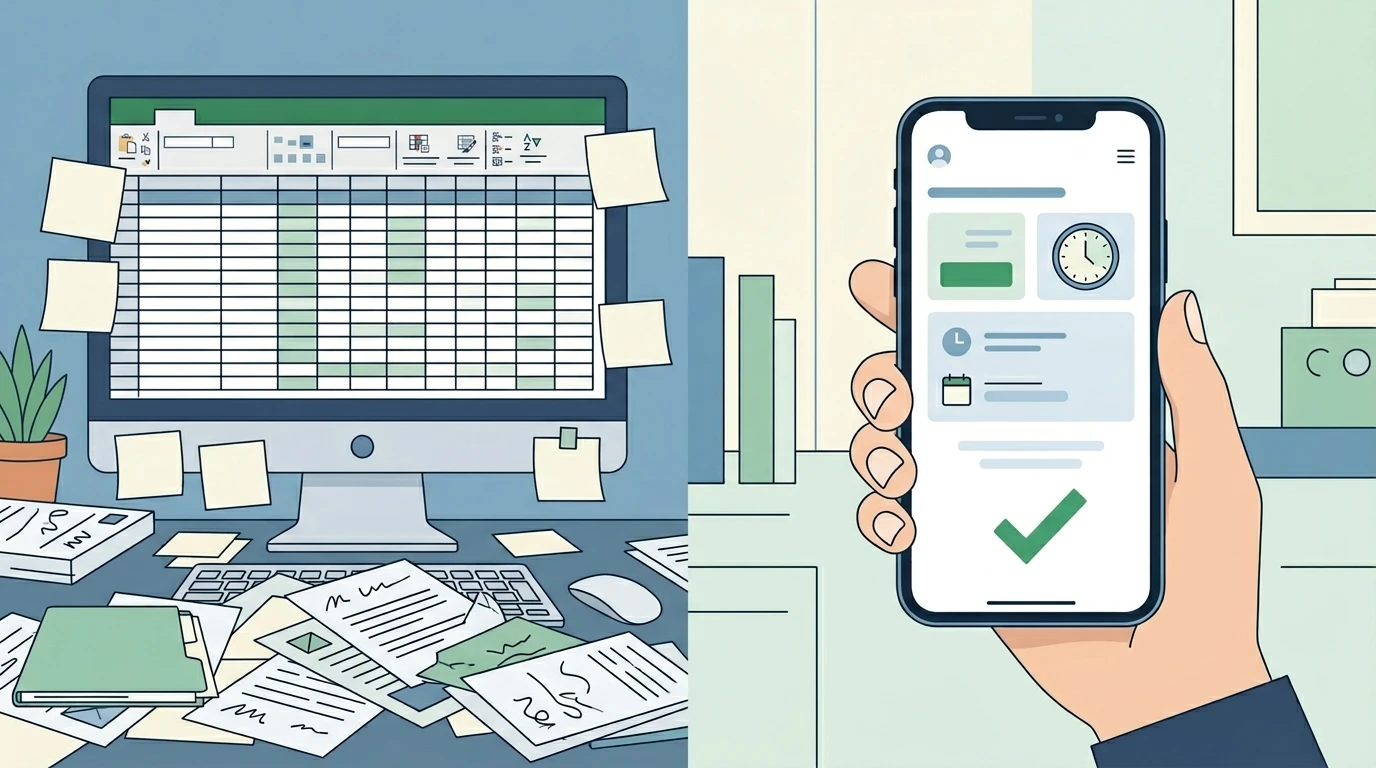
Here's a claim worth sitting with: a well-equipped team of five reps can outperform a poorly-equipped team of ten. Not because of talent. Because of how much time each rep spends on actual selling versus administrative work.
Small sales teams, typically three to fifteen people, are hit hardest by manual processes because each rep is already wearing multiple hats. When quoting takes 25 minutes per request, that's not just a quoting problem. It eats into prospecting time, follow-up time, and relationship-building time.
Automation compresses the admin work so reps can focus on the conversations that actually move deals forward. This is what increasing sales rep productivity actually looks like in practice. Not motivational tactics or more pipeline reviews. Just removing the friction that slows reps down.
For a business owner, this is also the most direct path to growing revenue without growing headcount. Adding a rep is expensive: salary, benefits, ramp time, management overhead. Helping your current team handle more volume with less friction costs a fraction of that.
Automated Follow-Up: The Easiest Revenue You're Leaving Behind
If there's one place where small businesses consistently leave money on the table, it's follow-up after the quote is sent.
Most reps follow up once. If they don't hear back, they move on. But a lot of deals don't close on the first follow-up. The prospect was busy, or they needed internal approval, or they just forgot. A second or third touchpoint at the right time can be the difference between a closed deal and a cold quote.
Automated follow-up sequences handle this without relying on rep memory. When a quote is sent, a rule-based sequence kicks off: a follow-up email goes out two days later if the quote hasn't been viewed, and another goes out a few days after that if it's been viewed but not accepted. The rep doesn't have to remember any of this. It just happens.
This is the part of quote-to-cash automation that has the most immediate impact on revenue. You're not changing your product, your pricing, or your pitch. You're just making sure every prospect actually hears from you more than once.
What the Quote Experience Says About Your Business
There's a softer margin benefit that's easy to overlook: professionalism.
A quote that arrives as a formatted PDF with product images, clear line-item pricing, and your branding looks completely different from a quote that's a screenshot of a spreadsheet or a plain-text email. Customers notice. And when they're comparing you to a competitor, the quality of your quote is part of how they judge the quality of your business.
Standardized, polished quotes can support higher price points because they signal that you're organized and serious. They cut down on the "can you clarify what's included" back-and-forth that drags out the sales cycle. And they make it easier for the customer to say yes quickly, which is exactly what you want.
An embeddable e-quote widget takes this a step further. Instead of a customer emailing in a vague request that requires three clarifying questions before a rep can even start building a quote, the widget lets them self-select the products or services they want quoted. The rep gets a pre-qualified, structured request and can turn around a complete quote almost immediately. Less back-and-forth, faster cycle, better experience for the customer.
Where to Start
If you're sending more than 100 quotes a month and still doing it manually, the ROI on changing that is pretty clear. The hours saved in the first month alone are significant. The deals recovered from better follow-up add on top of that. And the pricing discipline you get from centralized quote management protects the margin you're already earning.
You don't need a massive CRM implementation to get there. The tools that solve this problem sit between basic invoicing software and enterprise sales platforms, and they're built specifically for businesses like yours. The risks and rewards of automation for small businesses are worth understanding before you commit, but for most distributors and product-and-service businesses, the quoting step is the right place to start.
The question isn't whether automation pays for itself. For most businesses sending this volume of quotes, it does. The question is how much longer you want to keep paying the cost of doing it manually.